
Carbonwave Recognized as Part of Mexico’s Growing Sargassum Solution
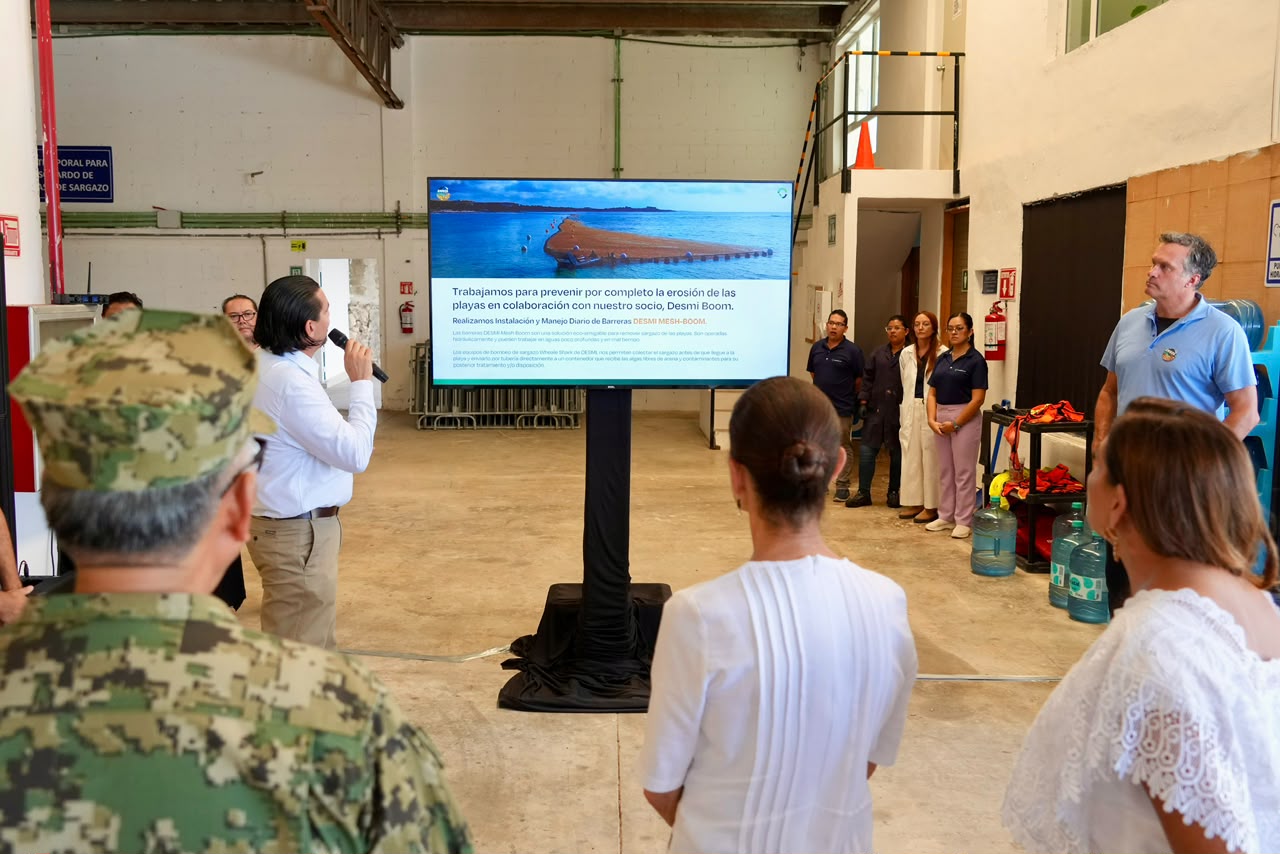
Carbonwave recently welcomed President Claudia Sheinbaum to our facility in Quintana Roo alongside Governor Mara Lezama, Secretary of Environment and Natural Resources Alicia Bárcena, and Secretary of the Navy Admiral Raymundo Pedro Morales Ángeles.
The visit marked an important milestone for Carbonwave and for Mexico’s evolving approach to Sargassum.
During the visit, government leaders saw firsthand how Carbonwave, Grupo ENSOL Caribe and Sarga Agriscience are working across the Sargassum value chain—from responsible collection and processing to the development of agricultural and other high-value products.
Soon after, Carbonwave was invited to participate in La Mañanera del Pueblo, President Sheinbaum’s national morning press conference, where our work was highlighted as part of Mexico’s broader strategy for managing and productively utilizing Sargassum.
Most significantly, Secretary Alicia Bárcena publicly stated that the government is in discussions with Carbonwave to serve as an anchor company for the new Circular Economy Development Hub in Puerto Morelos, known as PODECIBI.
Together, these developments signal growing recognition of a model Carbonwave has been developing for years: Sargassum management should not stop at collection. It should connect collection, processing and commercialization into one integrated system.
A New Circular Economy Hub for Sargassum in Puerto Morelos
Mexico is now working to build that more integrated system.
The federal government has established the Polo de Desarrollo de Economía Circular para el Bienestar (PODECIBI) in Puerto Morelos, a circular economy development hub designed to support the transformation of Sargassum and other materials into commercially useful products.
During the July 30 national press conference, Secretary Bárcena identified Carbonwave as a company being considered to help anchor the hub while additional companies, researchers and technologies join the emerging ecosystem.
For Carbonwave, the potential role is closely aligned with the work already underway at our Quintana Roo operations.
Through Grupo ENSOL Caribe, our work begins with the responsible collection and management of Sargassum.
Through Carbonwave’s processing platform, the biomass is transformed and separated into useful fractions.
And through Sarga Agriscience, Sargassum-derived agricultural products are being developed to support growers while creating a productive destination for biomass removed from the Caribbean.
The objective is not simply to remove Sargassum.
It is to build a system in which the biomass can be collected, processed and put back to work.
Mexico Is Building a More Integrated Sargassum Strategy
The need for solutions at scale continues to grow.
Sargassum has become one of the most significant environmental challenges affecting Mexico and the Caribbean. At recent seasonal peaks, floating Sargassum biomass across the Atlantic, Caribbean and Gulf has exceeded 30 million metric tons.
Mexico has responded by expanding its strategy on several fronts.
The Mexican Navy has increased offshore Sargassum collection and containment infrastructure, while the federal government has committed additional resources to Sargassum management in Quintana Roo.
Mexico has also taken steps to create a clearer regulatory pathway for productive Sargassum use by incorporating holopelagic Sargassum into the National Fisheries Charter as a resource with development potential.
And through PODECIBI, the government is now creating infrastructure specifically designed to connect Sargassum collection with processing, innovation and commercialization.
These efforts reflect an important shift.
Collecting Sargassum is only the beginning of the solution.
Once the biomass is removed from the ocean, there must be responsible and scalable uses for it.
Bringing Carbonwave Into the National Conversation
Following President Sheinbaum’s visit to our facility, Félix Navarrete, Director of Grupo ENSOL Caribe, and Sebastián Aguilar De Alba, Director of Technology at Sarga Agriscience, represented Carbonwave at La Mañanera del Pueblo on July 30.
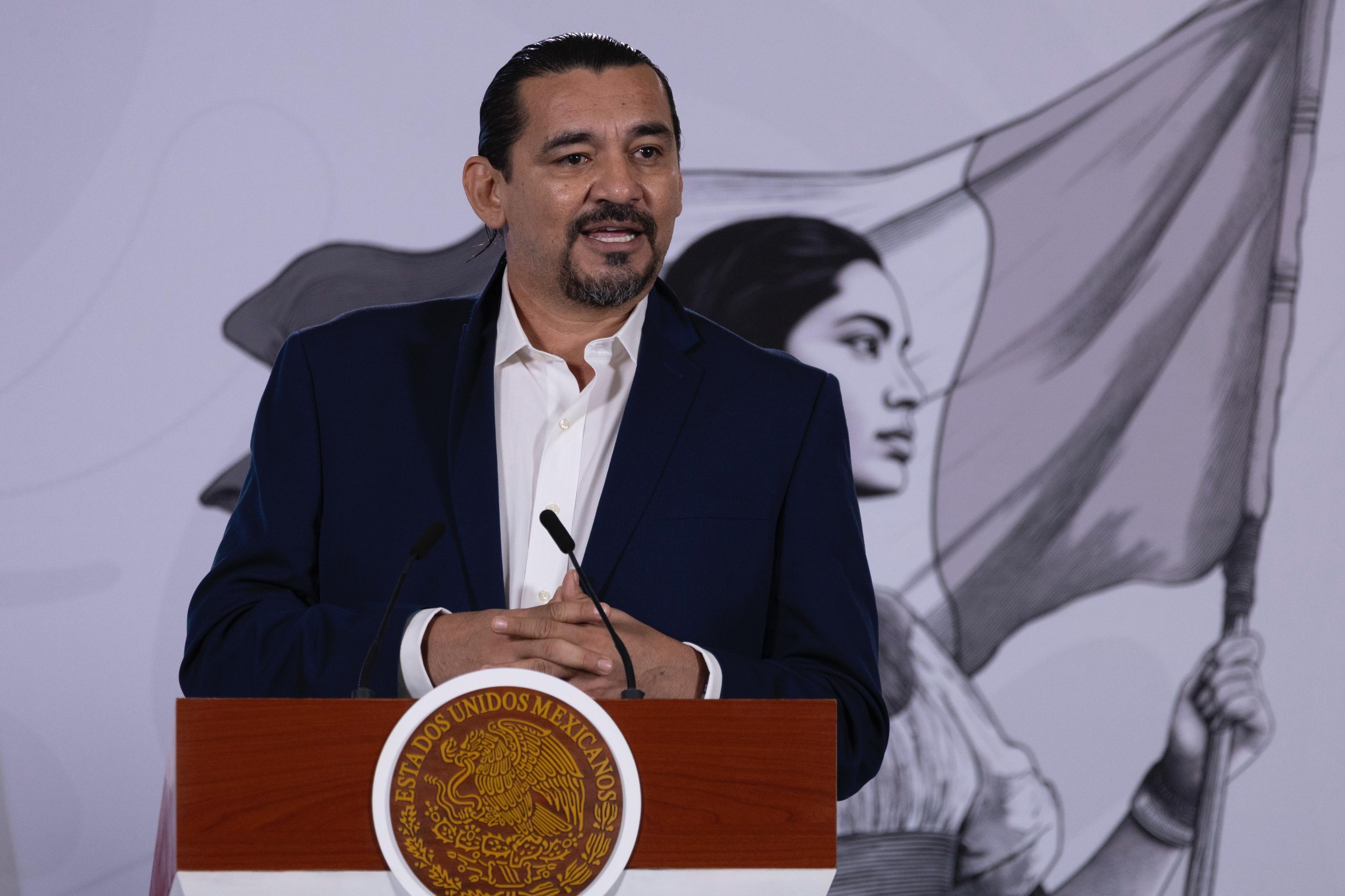
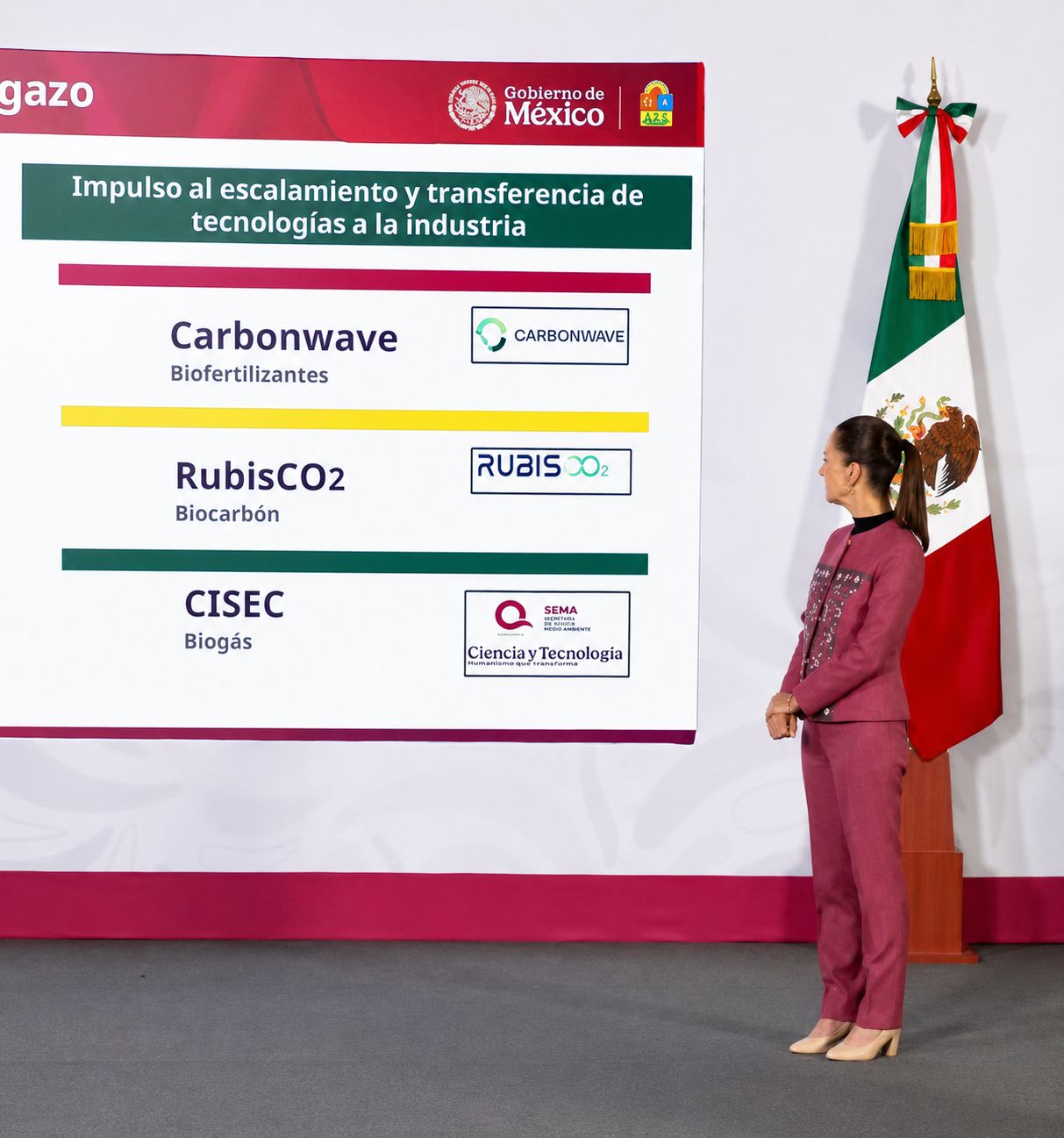
The discussion placed Carbonwave within a much broader national effort to answer an increasingly important question: